At this time of year, many plants prepare to hibernate over winter.  Trees and woody climbers drop their leaves.  Herbaceous plants go brown and mushy.  There is a lot of work to be done tidying in the garden.

Amidst all this decay, some plants decide that they will have a second go at flowering, also known as a second flush.  There is a real joy to be found seeing the fight that the plants are prepared to have with the frosts that nature throws at them.  Frequently, the plant looses, but there has been the hope that they might win against all odds.

Portuguese Laurel - Second Flush

There are some plants that do this every year, whilst there are some that only find that the conditions are right for them in certain years.  The Portuguese Laurel seems to have a go every year, as does one of the roses on my pergola and the early flowering magnolia.

Last year I was amazed to see a hemerocallis (daylily) having a try.  I watched day by day as the bud swelled, wondering what each night would bring.  Eventually, just before it managed to flower, a frost got it – it was a valiant try.

I was recently asked if I would like a Datura Metaloides that a friend had to spare.  Like most gardeners, my immediate reaction was to accept the plant.  Even when I was warned to wear gloves whilst touching it, the alarm bells didn’t start to ring, I just acknowledged that I had heard that before.

I first came across Datura in my brother-in-law’s house in California and those lovely trumpet flowers had stayed in my mind.  So the opportunity to have one of my own seemed like a great idea.  I was assured that the donor had found them to be hardy locally and that Metaloides were not as large as some Datura, growing to around four or five feet.  So the next time she visited, the plant duly arrived.

Fortunately, the plant was placed on a table and was at no time anywhere near a dog’s reach.  After my friend left, I went searching on the plant to decide where it should be planted.  There it was, in black and white – all parts of the plant are poisonous.  There was absolutely no way I could risk it in the garden.

I then started to think who I could give the plant to – well, no gardener would willingly put a perfectly healthy plant in the compost bin.   However hard I tried, everyone I could think of had either dogs or cats.  It looked as if the plant was destined for a very short life.  Then suddenly my brain worked out the solution – the front garden was the perfect place, and there was a suitable location just waiting to be filled at the end of the new border.  Problem solved :).

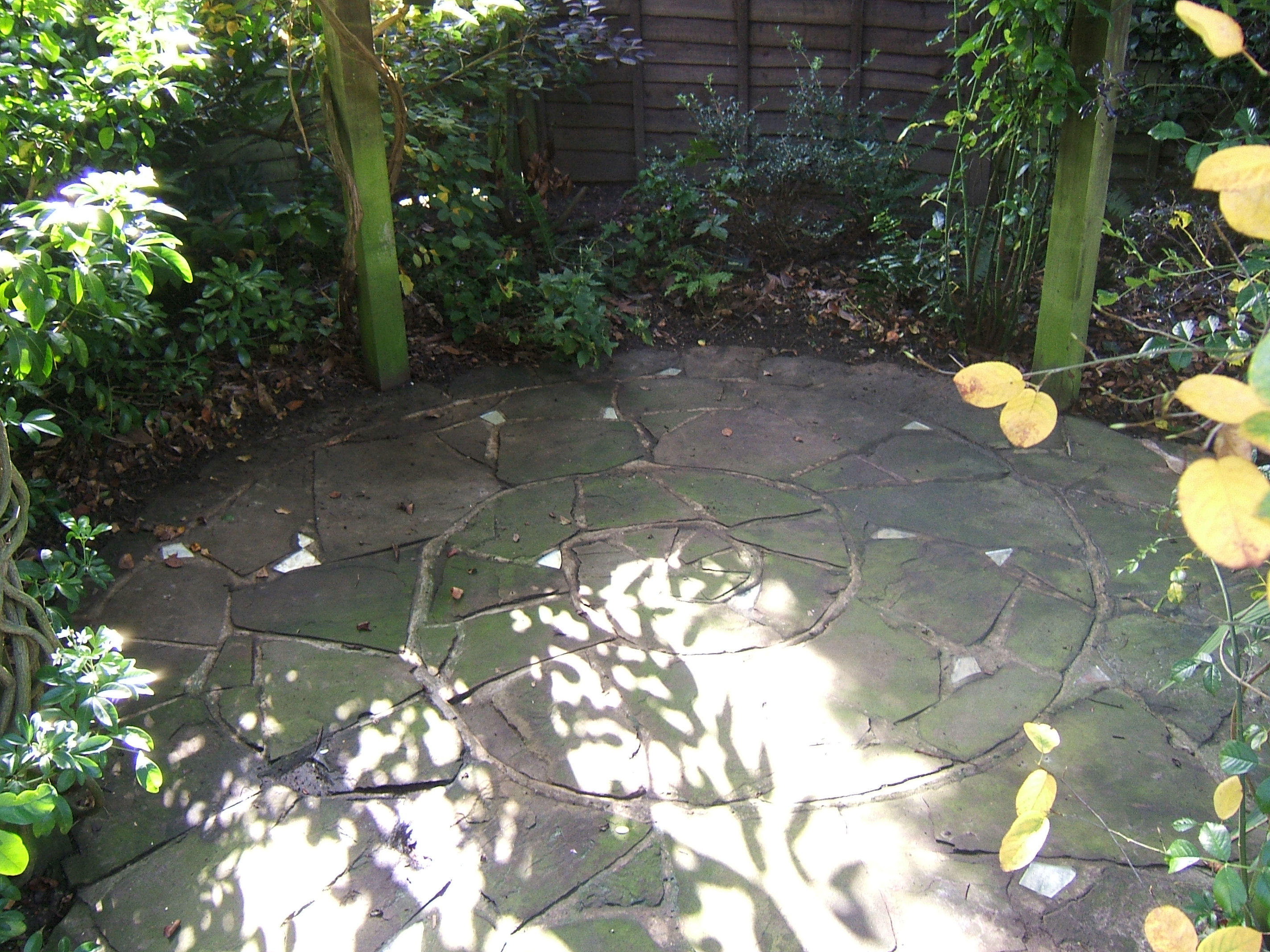
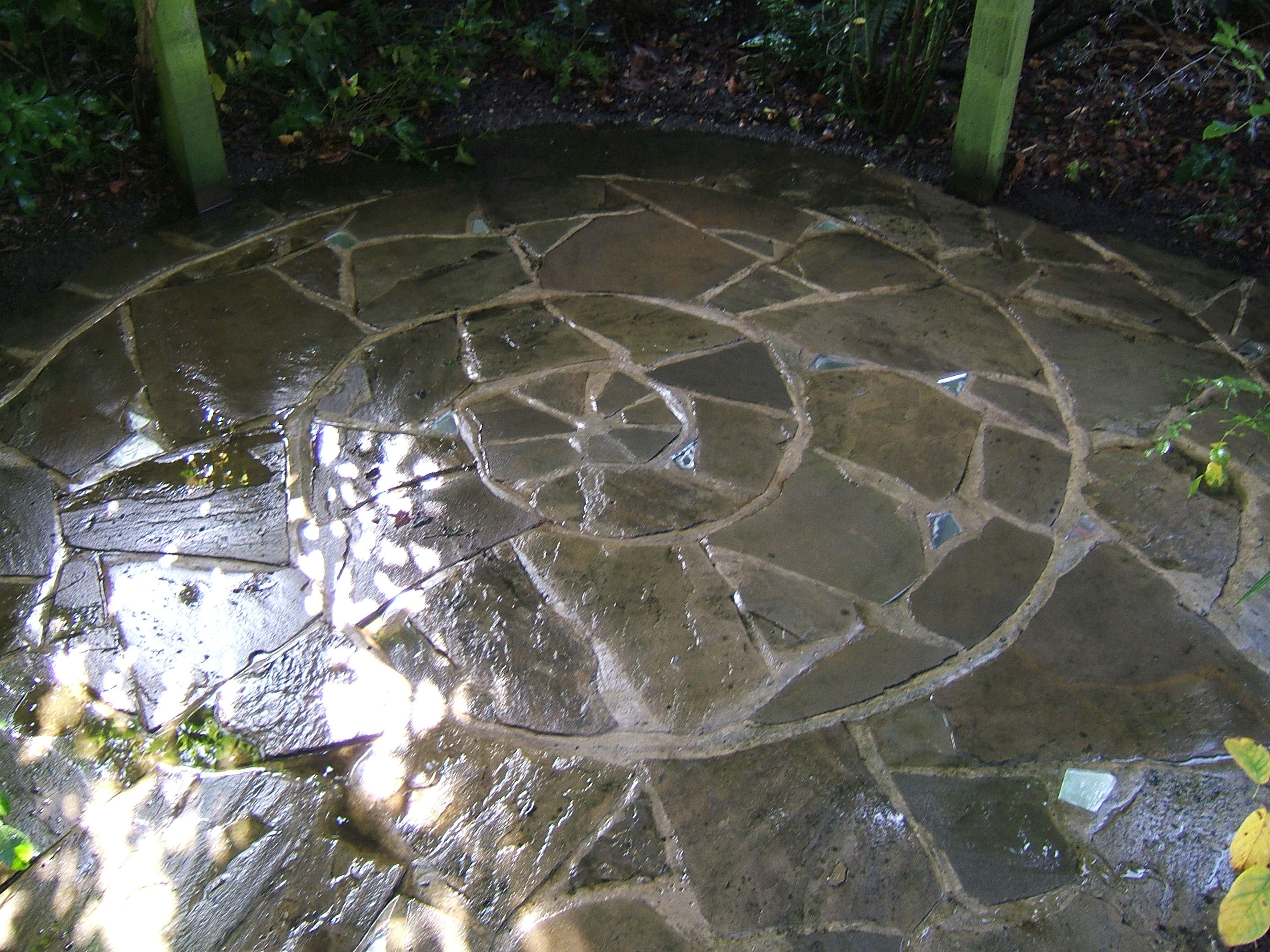
The order of the day this weekend was the pre-winter path pressure washing.  Despite the dry summer, the algae had really taken hold on my paths, particularly on the York stone.  The man-made surfaces by the pond and the back door weren’t quite as bad but still needed doing.  Thankfully, the slate patio area can survive a little longer before it needs doing.  Finding a dry weekend when I have nothing else major planned is never easy, but this weekend was absolutely perfect.  For once, the weather forecasters were spot on – lovely warm sunny days, just perfect for the job.


Pergola before pressure wash


The stone may not look too bad in a photo before the cleaning operation, but I know that as the winter draws it, it will only get worse and venturing out into the garden would not be something for the faint hearted to  attempt.   There is little doubt that the York stone is the most susceptible surface in my garden for algae infestation.  That said, I have never regretted choosing it for my garden.  When clean, it is the most beautiful warm coloured stone and it looks wonderful beside the plants.


Pergola after pressure wash


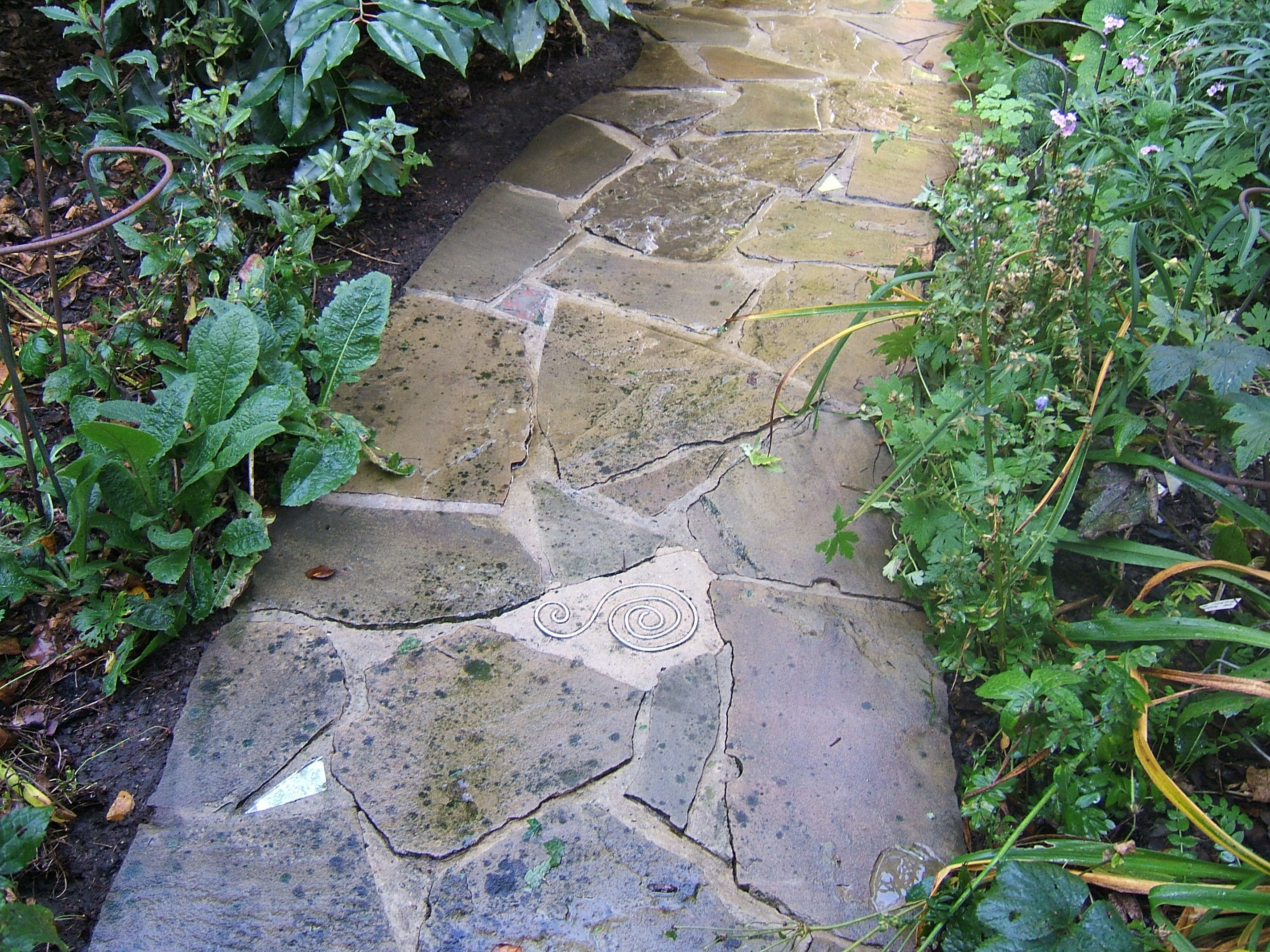
One of the lovely things about having clean paths is that the lichen reappear from under the algae covering.  It is interesting to see that they see to prefer the more shaded areas of the garden, and that even then, some pieces of stone are more favoured than others.  There are virtually no lichen on the man made surfaces, but plenty on the York stone.


Lichen on the York stone path


One of the things that I love about the Lichen is that they give the stone character.  It has been laid for over ten years now and now is finally becoming home to a fairly reasonable colony.